How to Stop Bathroom Mirror Steaming Up
If you want to know how to stop bathroom mirror steaming up, the short answer is this: put a temporary anti-fog layer on the mirror and get moisture out of the room faster. A clear mirror is handy, but if your bathroom fogs up every day, the real issue is usually humidity and ventilation.
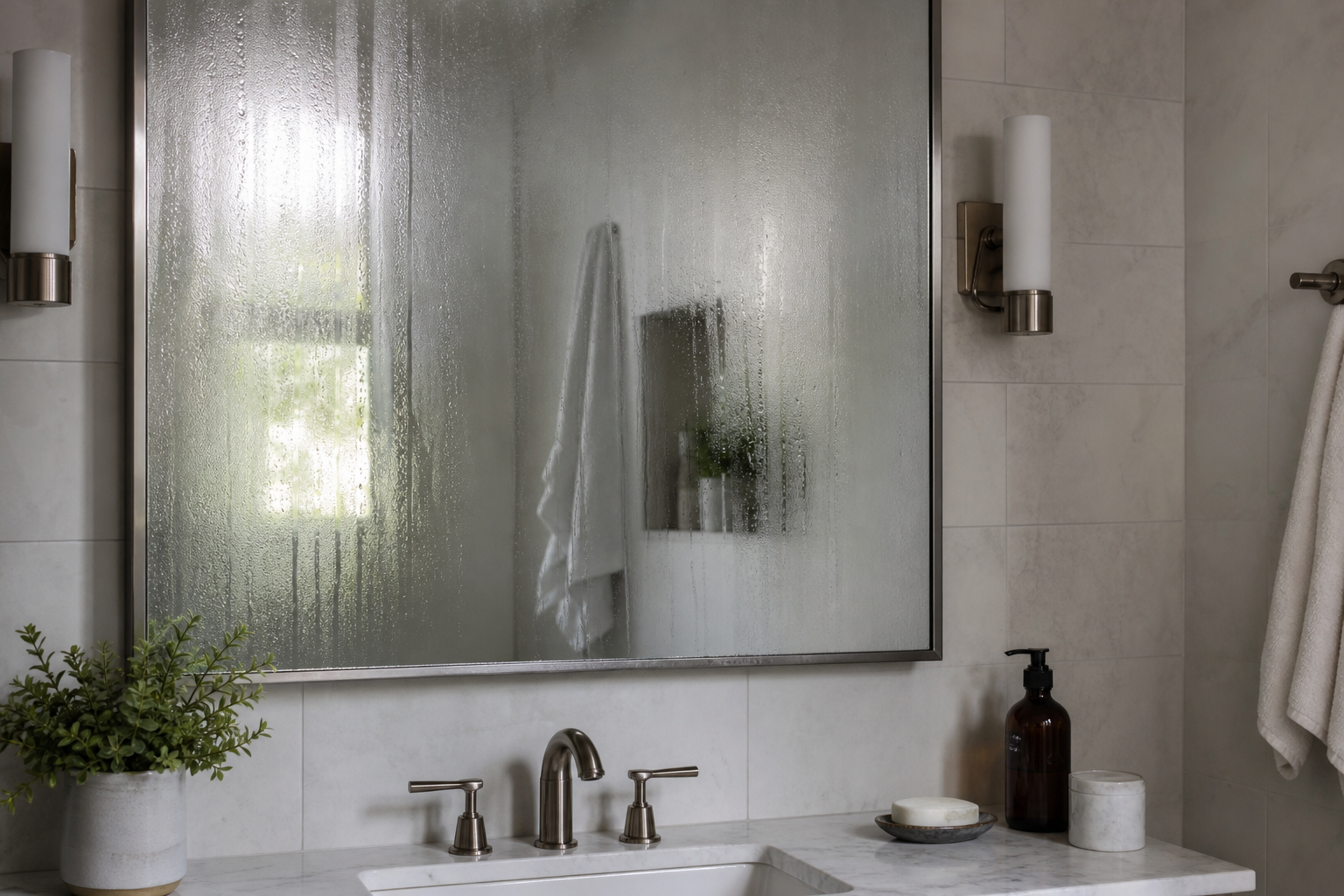
A steamed-up mirror happens when warm, damp air hits cooler glass and turns into condensation. So the most effective fix is usually a combination of two things: a quick surface treatment for the mirror, and a simple habit that cuts down steam in the bathroom itself.
What you need
- Microfibre cloth
- Glass cleaner or warm water with a little washing-up liquid
- Dry buffing cloth
- A small amount of shaving foam or a tiny smear of soap
- Optional: squeegee, dehumidifier, hygrometer
Time: 5 to 15 minutes
Difficulty: Easy
Safety notes: Test any product on a hidden area first and check the mirror or bathroom manufacturer instructions, especially for framed, antique or treated mirrors. Don’t spray liquids heavily around mirror edges, where moisture can damage the backing over time. If you use any cleaning products, keep the room ventilated and never mix bleach with vinegar, ammonia or other cleaners.
The fastest way to stop a bathroom mirror steaming up
If you need a quick fix before tomorrow morning’s shower, clean the mirror first, then apply a very thin anti-fog layer.
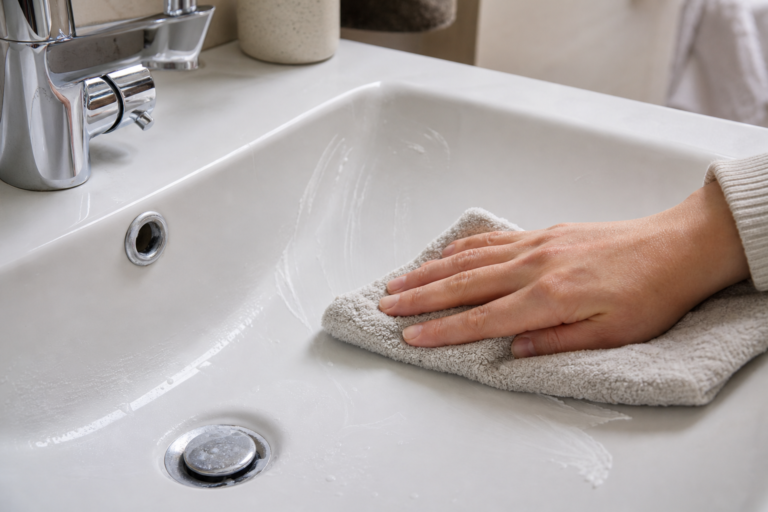
- Clean the mirror. Remove toothpaste spots, hairspray and dust so the coating goes on evenly. If your sink area gets messy, this guide on removing toothpaste stains from a bathroom sink can help you tidy the whole area at once.
- Dry it fully. Any leftover water will cause streaks in the surface treatment.
- Apply one of these thin coatings:
- A pea-sized blob of shaving foam
- A tiny smear of plain bar soap
- Buff until the mirror looks clear. Use a dry microfibre cloth and keep buffing until there’s no cloudy residue left.
- Test it with warm water in the room. If the glass still fogs badly, buff again more thoroughly. Too much product leaves haze.
This works because the coating makes it harder for tiny droplets to cling to the glass in the usual way. It’s a temporary fix, not a cure for a damp bathroom, but it can make a noticeable difference for a day or a few showers.
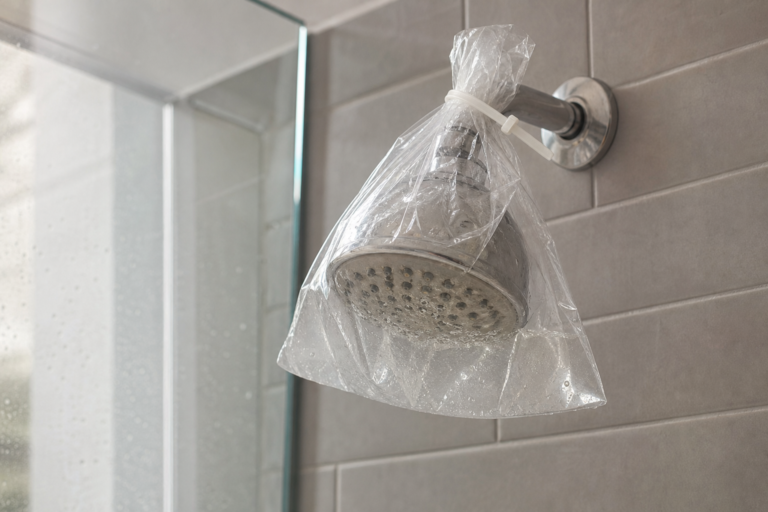
Some people also use vinegar-based methods, but if you can’t stand the smell there are easier options. If that sounds familiar, you may also like this guide on removing limescale from a shower head without vinegar smell.
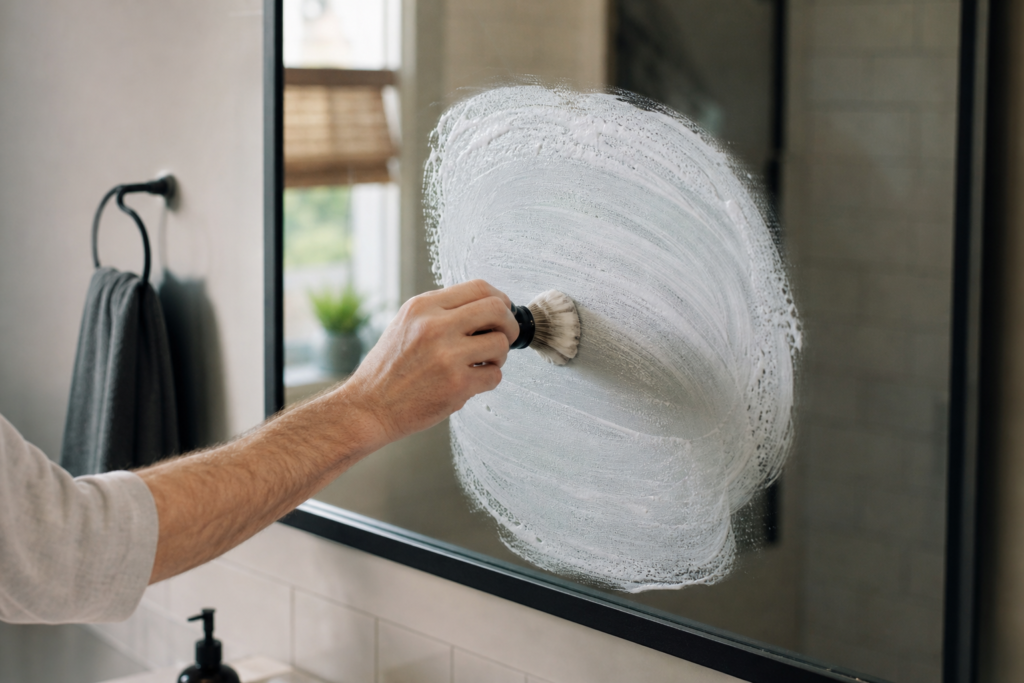
Which anti-fog trick works best?
| Method | How long it usually lasts | Best for | Watch out for |
|---|---|---|---|
| Shaving foam | Short term | Quick morning fix | Can smear if you use too much |
| Plain bar soap | Short term | Cheap option with things you already have | May leave streaks if not buffed well |
| Heated mirror pad or demister | Long term | Bathrooms used daily | Helps the mirror, not the room’s humidity |
| Better ventilation | Long term | Mirror fog, condensation and damp control | Needs the right fan size and proper use |
If you’re in the UK and searching how to stop bathroom mirror from steaming up uk, the advice is basically the same. The only real difference is the wording. UK shops may call it an extractor fan, while US guides often say exhaust fan.
Why your mirror keeps fogging up
Wiping the glass only deals with the symptom. If the mirror mists up every time someone showers, the air in your bathroom is probably staying too warm and too damp for too long.
Public health guidance generally recommends indoor humidity below 60%, with 30% to 50% often given as the ideal range. Persistent condensation can be a sign that the room needs better ventilation, shorter steam exposure, or both.
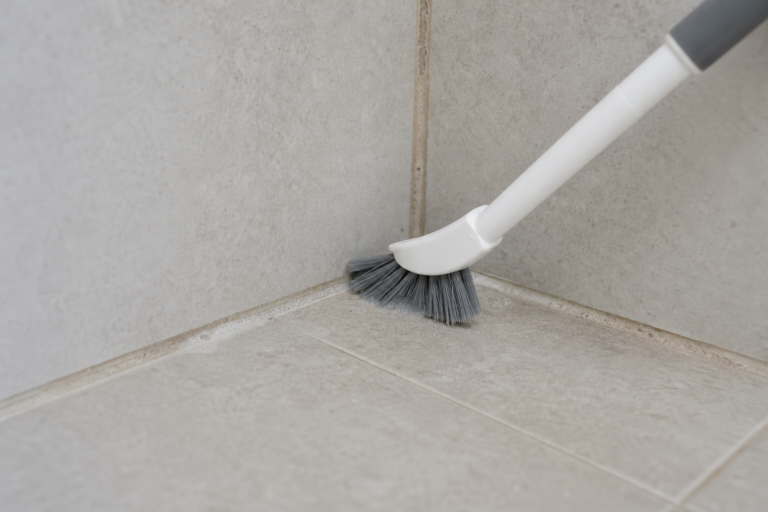
That matters because mirror fog is often one of the first signs of a bigger moisture problem, before you spot damp patches, peeling paint, musty towels or dark marks in grout and sealant. If you already have those signs, these guides on cleaning grout in shower corners and getting rid of a musty smell in towels without bleach may help.
The best long-term fix: improve bathroom ventilation
If you want to know how to stop your bathroom mirror steaming up for good, start here. Mirrors stay clearer when the room fills with less moisture and dries out faster.
1. Run the extractor fan during the shower
Turn it on before the water starts, or as soon as you step in, not after the room is already full of steam. Keep it running for at least 15 minutes afterwards. Some guidance suggests 20 minutes, which is a sensible target if your bathroom stays damp.
2. Keep the bathroom door closed while showering
This sounds backwards, but it helps stop moist air drifting into colder rooms where it can condense elsewhere. Once the shower is finished, you can open the door if that helps air move out, especially if there’s also an open window nearby.
3. Open the window if you have one
A small opening during or after a shower can help, especially in bathrooms without a strong fan. In winter, even a short burst of ventilation is often better than letting trapped steam sit on surfaces.
4. Check if the fan is actually big enough
For bathrooms under 100 square feet, a common rule is 1 CFM per square foot, with a minimum of 50 CFM. For larger bathrooms, ventilation is usually sized by fixtures. If your fan is tiny, noisy, or barely pulling steam out, it may simply be undersized.
5. Make sure the fan vents outdoors
This part gets missed a lot. Bathroom exhaust should vent outside, not into a loft, attic or another enclosed space. If you suspect the setup is wrong, it’s worth asking a qualified installer to check it.
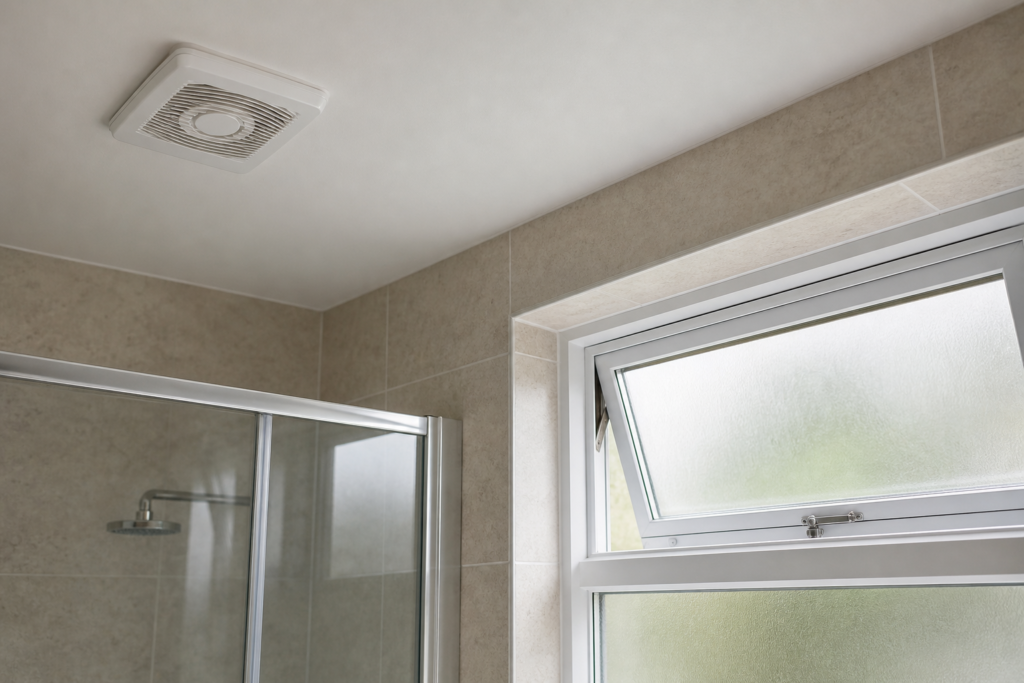
Small habits that cut mirror fog in winter
Winter makes the problem worse because the mirror surface is colder. These small changes can help.
- Lower the shower temperature slightly. Very hot showers create more steam.
- Shorten shower time by a few minutes. Less steam in the room means less fog on the glass.
- Warm the mirror a little before showering. A heated demister pad is the neatest option. Even a warmer room can reduce fogging because condensation forms more easily on cold surfaces.
- Use a squeegee on shower glass and tiles after use. That removes water before it evaporates back into the room.
- Dry damp towels elsewhere if possible. Wet towels hanging in a small bathroom add moisture back into the air.
If your bathroom gets crowded with towels, backups and half-used products, it’s harder for air to move and harder to clean properly. These small linen closet organisation ideas can help move the overflow out of the bathroom.
Do demister mirrors and anti-fog pads work?
Yes, usually. A demister mirror or heated pad warms the glass so condensation is less likely to form on it. It’s one of the best upgrades if you want a clear mirror every day without reapplying soap or shaving foam.
But it only fixes the mirror surface. It does not remove moisture from the air. So if the room still stays damp, you can end up with a clear mirror and mould elsewhere. That’s why ventilation still matters.
If your bathroom is part of a broader tidy-up, you may also find ideas in the Bathroom category and the Cleaning Routines category.
Common mistakes that make the problem worse
- Applying too much soap or shaving foam. A whisper-thin layer works better than a thick one.
- Only wiping the mirror. That clears it for a few seconds, then the fog comes right back.
- Turning the fan off too soon. The room is still wet after the shower ends.
- Assuming any fan is good enough. Some are too weak, dirty, or badly ducted.
- Leaving wet laundry or soaked bath mats in the bathroom. They keep the air damp longer.
When mirror fog points to a bigger moisture problem
If the mirror steams up heavily and you also notice water running down walls, black spotting around sealant, peeling paint or a constant musty smell, the issue may be more than simple shower steam.
At that point, it’s worth checking the fan, cleaning visible condensation quickly, and lowering humidity in the room. A dehumidifier can help in bathrooms that don’t ventilate well, though it’s still best to fix the main moisture source. If mould or damp keeps returning, consider advice from a qualified contractor or ventilation specialist.
For a steady home reset that stops small messes turning into bigger jobs, this daily reset routine for a messy house is a good next step.
Try the quick mirror coating today, then pay attention to what happens after your next shower. If the room still feels wet 20 minutes later, the real fix is better ventilation.
Frequently Asked Questions
How do I stop my bathroom mirror steaming up straight away?
Clean and dry the mirror, then buff on a very thin layer of shaving foam or plain bar soap. Wipe until the glass looks clear, not smeary. It’s a quick temporary fix for one or a few showers, but it won’t solve a humid bathroom on its own.
How to stop bathroom mirror from steaming up UK bathrooms without buying a new mirror?
Start with the low-cost fixes: run the extractor fan during the shower and for 15 to 20 minutes after, keep the bathroom door closed while showering, and open the window afterwards if you have one. For the mirror itself, a thin shaving foam or soap coating can help between showers.
Does an extractor fan stop a bathroom mirror steaming up?
Usually, yes, if it’s working properly and sized well for the room. The fan removes moist air so less condensation forms on the mirror. If your mirror still fogs heavily every day, the fan may be too weak, dirty, or not venting outdoors.
Why does my bathroom mirror steam up so much in winter?
The mirror surface is colder in winter, so warm damp air from the shower condenses on it more easily. That’s why the problem often feels worse even if your shower routine hasn’t changed. Better ventilation and a warmer mirror surface both help.
Do anti-fog mirrors fix bathroom condensation?
They fix the mirror surface, not the moisture in the room. A demister or heated mirror helps keep the glass clear by warming it, but you still need good ventilation to deal with steam. Otherwise, condensation may simply show up on walls, windows and grout instead.
Free printable
Get the 15-minute weekly cleaning checklist
One short block a day keeps the whole home under control. Open the printable checklist, then join the list for one new practical guide a week. No spam, unsubscribe any time.