
Daily Reset Routine for a Messy House
A daily reset routine for a messy house works best when it takes 10 to 30 minutes, tackles the most visible mess first and happens every day. You do not need to deep-clean the whole house. You need a short reset that gets the dishes under control, clears clutter off surfaces, moves the laundry along and leaves the main room ready for tomorrow.
If your home already feels out of control, think of this as maintenance, not magic. A reset stops one decent day turning into a bad week. It is not the same thing as a full catch-up clean.
What a daily reset should actually include
The best reset routines focus on four things:
- Trash out so the house feels fresher fast.
- Dishes and kitchen surfaces because the kitchen gets out of hand quickly.
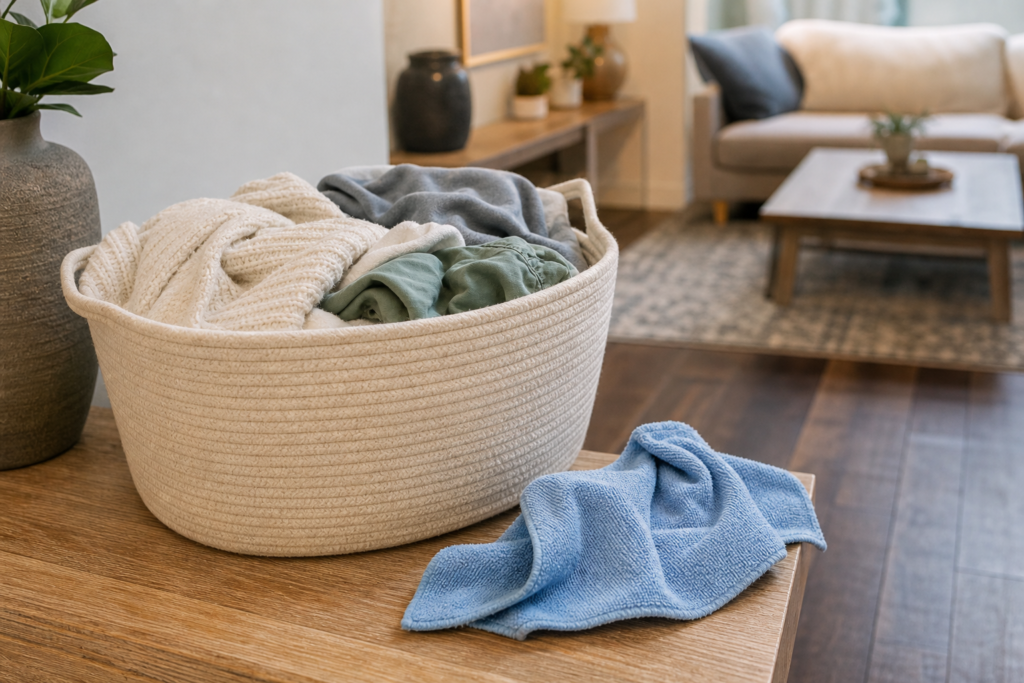
- Loose clutter back to its home or into one small basket for later.
- Laundry moved along one step, not necessarily finished.
For most days, that is enough. You are aiming for functional, not spotless.
There is also a useful cleaning distinction here. In most homes, routine cleaning with soap or detergent is usually enough. Disinfecting matters more when someone is sick. If you do use disinfectant, read the label and keep the surface visibly wet for the full contact time.
For more simple upkeep ideas, browse the Cleaning Routines category.
What you need
- Timer or phone alarm
- Laundry basket or tote for out-of-place items
- Bin bag or small rubbish sack
- Microfibre cloth
- All-purpose cleaner or washing-up liquid diluted for suitable surfaces
- Broom, vacuum or cordless stick vacuum
Time: 10, 20 or 30 minutes
Difficulty: Easy
Best time: Evening is easiest for many households, but after work, after dinner or before school pickup can work just as well.
Before you start: 3 rules that make this easier
1. Set a timer
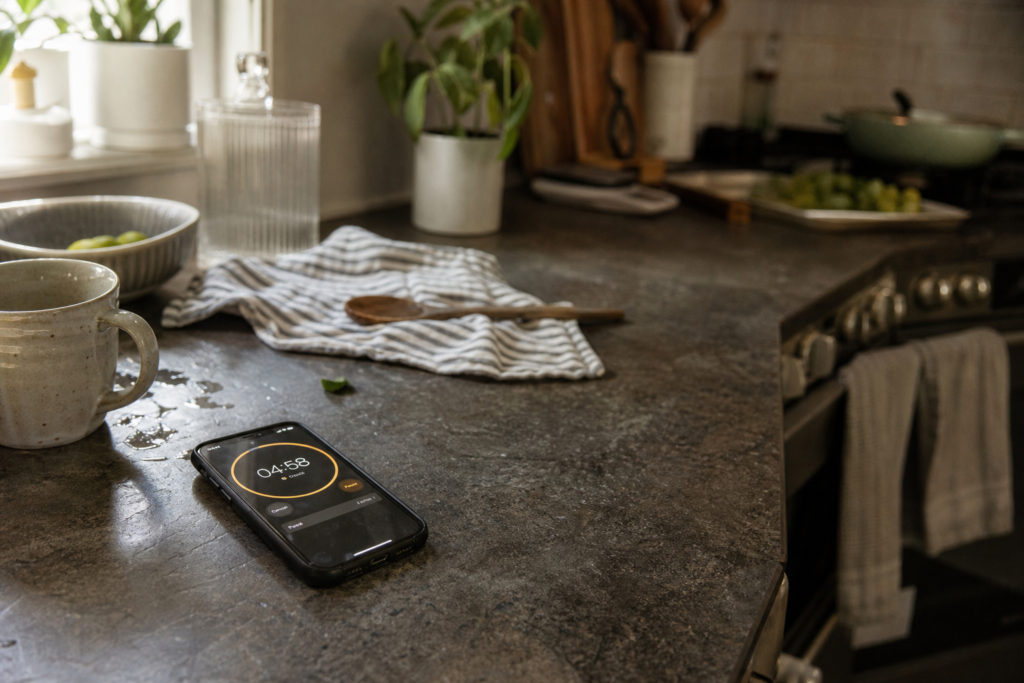
Short bursts are much easier to start than open-ended cleaning. Ten minutes still counts.
2. Start with the easiest visible win
If you are overwhelmed, do not begin with a chaotic cupboard. Start with the room you use most or the surface that annoys you most.
3. Follow the 60-second rule
If something can be put away in under a minute, do it now. Shoes to the rack. Mug to the sink. Post into one tray. That keeps tiny jobs from turning into visual clutter.
It also helps when things have a proper home. If your under-sink area is a jumble, this guide on how to organise under the kitchen sink in a small space can take some friction out of your daily routine.
The 10-minute daily reset routine
This is your low-energy version. Use it on busy workdays, rough weeks or when you are already behind.
- Minute 1: Open a window if needed and grab your basket and bin bag.
- Minutes 2 to 3: Collect rubbish from the main living area and kitchen.
- Minutes 4 to 6: Load the dishwasher or wash the obvious dishes. If there is a big pile, just clear the sink and soak the rest.
- Minutes 7 to 8: Wipe kitchen counters and the table.
- Minutes 9 to 10: Put away the biggest visible clutter in the main room. Straighten cushions, fold blankets, line up shoes, get bags off the floor.
If you stop here, it still counts as a successful reset.
The 20-minute daily reset routine
This is the most realistic everyday version for many homes.
- Minutes 1 to 3: Do a trash and recycling round.
- Minutes 4 to 8: Tackle dishes, the sink and a quick wipe of counters and hob or stovetop.
- Minutes 9 to 12: Do one laundry step. Start a load, move wet laundry to the dryer or airer, or fold one basket.
- Minutes 13 to 16: Reset the bathroom you use most. Hang towels, wipe the basin, put products away, quick toilet brush if needed.
- Minutes 17 to 20: Do a fast floor tidy and vacuum the busiest area only.
This routine helps keep the mess from spreading into every room.
If the bathroom sink is looking grim, you might find how to remove toothpaste stains from a bathroom sink helpful for a deeper fix when you have more time.
The 30-minute daily reset routine
Use this when the house is drifting or after a busy weekend. It is still a reset, not a deep clean.
- Minutes 1 to 5: Collect trash, recycling and dishes from every room.
- Minutes 6 to 12: Clear and clean kitchen surfaces, wash up or run the dishwasher, wipe the sink.
- Minutes 13 to 18: Put away clutter in the living room and entrance area. Return items to their homes. If they have no home, place them in one basket and sort it tomorrow.
- Minutes 19 to 23: Do a laundry reset. Start, switch, fold or put away one load.
- Minutes 24 to 27: Reset the bathroom basin, mirror splash marks, toilet seat and towels.
- Minutes 28 to 30: Vacuum or sweep the highest-traffic floor areas.
If your kitchen tends to hold onto grease, a separate deeper clean now and then helps. This guide on the best way to clean grease off kitchen cabinets is useful for that catch-up job.
What to clean daily, weekly and not every day
| Task | Daily reset | Weekly or as needed |
|---|---|---|
| Dishes and sink | Yes | Deep-clean sink |
| Kitchen counters | Yes | Detailed splashback and cupboard fronts |
| Bathroom basin and toilet touch points | Quick wipe if needed | Full bathroom clean |
| Clutter pickup | Yes | Declutter drawers, cupboards and storage zones |
| Laundry | One step | Bedding, towels, sorting and stain treatment |
| Floors | Main traffic areas only | Whole-house vacuum and mop |
That is why a reset feels manageable. You are not trying to scrub skirting boards at 9 pm.
If your house is already very messy
A daily reset may not be enough at first. If every surface is covered, start with a catch-up phase for three to seven days.
- Pick one room only, usually the kitchen or living room.
- Set a timer for 10 to 15 minutes.
- Do only one type of task at a time: rubbish first, then dishes, then laundry, then clutter.
- Stop when the timer ends.
- After that, use the 10-minute reset each day to hold the progress.
This matters because clutter is not just visual. It can add stress, and in severe cases it can become a trip hazard. Small daily sessions are often easier to keep up than a big weekend clean that wipes you out.
Safety notes if you use cleaning products
Daily resets usually need basic cleaning, not strong chemicals.
- Check manufacturer instructions for your surfaces and appliances before using any cleaner.
- Test any product on a hidden area first.
- Never mix bleach with vinegar, ammonia or other cleaners.
- If you use disinfectant or bleach, ventilate the room and follow the label exactly.
- Clean first, then disinfect only if needed.
- Keep products away from children and pets.
CDC guidance on when and how to clean and disinfect your home is useful if you are unsure when disinfecting is actually needed.
How to make the routine stick
Give every person one small job
If you live with other people, do not carry the whole reset alone. One person clears dishes, one does a two-minute floor pickup, one checks the bathroom, one starts the laundry. Even young children can put shoes away or collect soft toys.
Keep tools where you use them
Store a cloth and suitable cleaner in the kitchen and bathroom. If your vacuum is awkward to drag out, use a broom or handheld vacuum for the reset and save the full vacuum for another day.
Use a shutdown point
Tie the reset to something you already do. After dinner. Before the kettle goes on. Right before you sit down to watch a show. Existing habits are easier to attach to than random good intentions.
Do not let “extra tasks” hijack the reset
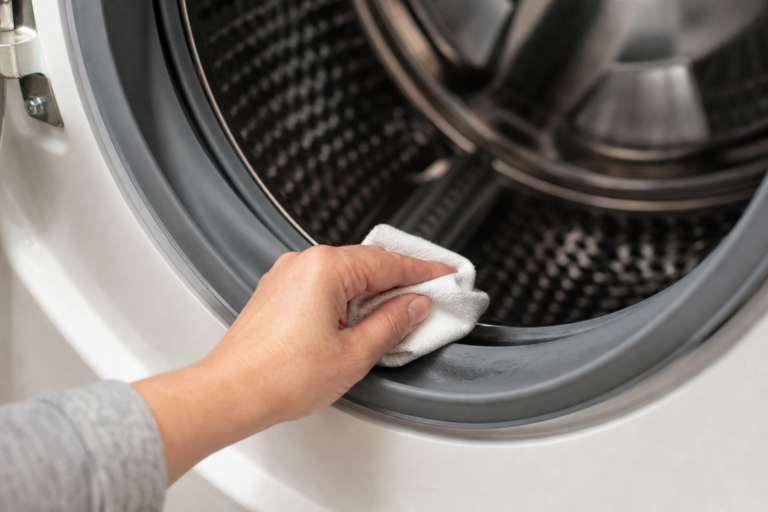
If you notice a burnt pan, cloudy glasses or a grim washing machine seal, add it to a list for another day. Useful guides for those jobs include how to clean a burnt pan bottom without scratching, how to clean cloudy drinking glasses from the dishwasher and how to clean washing machine rubber seal black marks.
A simple nightly checklist you can save
- Bin and recycling out of the main room
- Dishes loaded or sink cleared
- Counters wiped
- One laundry step done
- Clutter basket filled or items put away
- Floor of main room cleared
- Bathroom basics reset if needed
If you want an easy place to start, try the 10-minute version tonight. Once that feels normal, move up to 20 minutes on steadier days.
Frequently Asked Questions
What is a daily reset routine for a messy house?
It is a short tidy-up session you repeat every day to stop mess building up. Usually it includes dishes, rubbish, clutter pickup, a quick surface wipe and one laundry step. It is meant to keep the house functional, not perfectly clean.
How long should a daily house reset take?
For most people, 10 to 20 minutes is enough for daily maintenance. If the house is already quite messy, 30 minutes can help you catch up a bit faster. The key is choosing a time you can repeat consistently rather than planning a long routine you will skip.
Should I do a daily reset in the morning or at night?
Night often works best because you wake up to a calmer house and a clearer kitchen. But the best time is the one you will actually keep. Some people prefer right after work or after breakfast if evenings are too busy or tiring.
What should I clean first when I feel overwhelmed by mess?
Start with the easiest visible win, usually rubbish, dishes or the main living room floor. Use a timer for 10 minutes and stick to one type of task at a time. That makes the reset feel smaller and helps you see progress quickly.
Do I need to disinfect every day during a daily reset?
Usually not. In most homes, routine cleaning with soap or detergent is enough for everyday mess. Disinfecting is more useful when someone is sick or for specific high-touch or food-related situations. Always read the label, test surfaces first and never mix cleaning products.
Free printable
Get the 15-minute weekly cleaning checklist
One short block a day keeps the whole home under control. Open the printable checklist, then join the list for one new practical guide a week. No spam, unsubscribe any time.